VICTORY FOR THINKING!!!!!
WB outcome... Movies won. Filmmakers won. Audiences won.

Movies won. Filmmakers won. Audiences won.
TL;DR: Paramount and WB separately attempted and failed to become streamers without safety nets. Took on debt that, given failure to compete, would never recoup. Remaining independent was not an option. Combining is the best case scenario for both companies, but most importantly…for movies.
Losers here, those who will cry and tell you this deal is a disaster…are people who want to maintain jobs producing content…and people who put ideology and or politics about all else.
It truly is a tragedy anytime anyone loses their living wage, but we must maintain perspective that the industry serves its audience. The industry exists to make movies for audiences. The system does not exist to maintain jobs, it constantly changes to whatever form provides the best movies for its audience.
And the political aspect, honestly a whole nother can of worms I was already writing about and will probably need to make another piece. But bear in mind I write this as a dyed-in-the-wool never-Trumper. So a guy who hates Donald Trump still thinks this is a good thing.
I guess last piece that I’ve heard people key in on, is that Ellison-TikTok influence is less of a creative threat than Netflix, because TikTok isn’t a controlled thing, just corporate ties, and also TikTok doesn’t pretend to be movies, Netflix does.
Ok last last piece is Ted Sarandos and Netflix are huge winners here. They made soooo much money but also look sooooo good in public. They look like victims and little guys in general, and particularly they are heroes to woke audiences. David Zaslav obviously mega-winner goat deal. WB stockholders mega-winners. Oracle + Skydance are winners too but just less than they would’ve been without this whole saga and cost. Creative staffs of Paramount and Warner are winners. Infrastructural staff at both companies are major losers.
Also read my previous piece on the subject if you want before / after:

Ok.
NETFLIX GONNA NETFLIX, never WB.
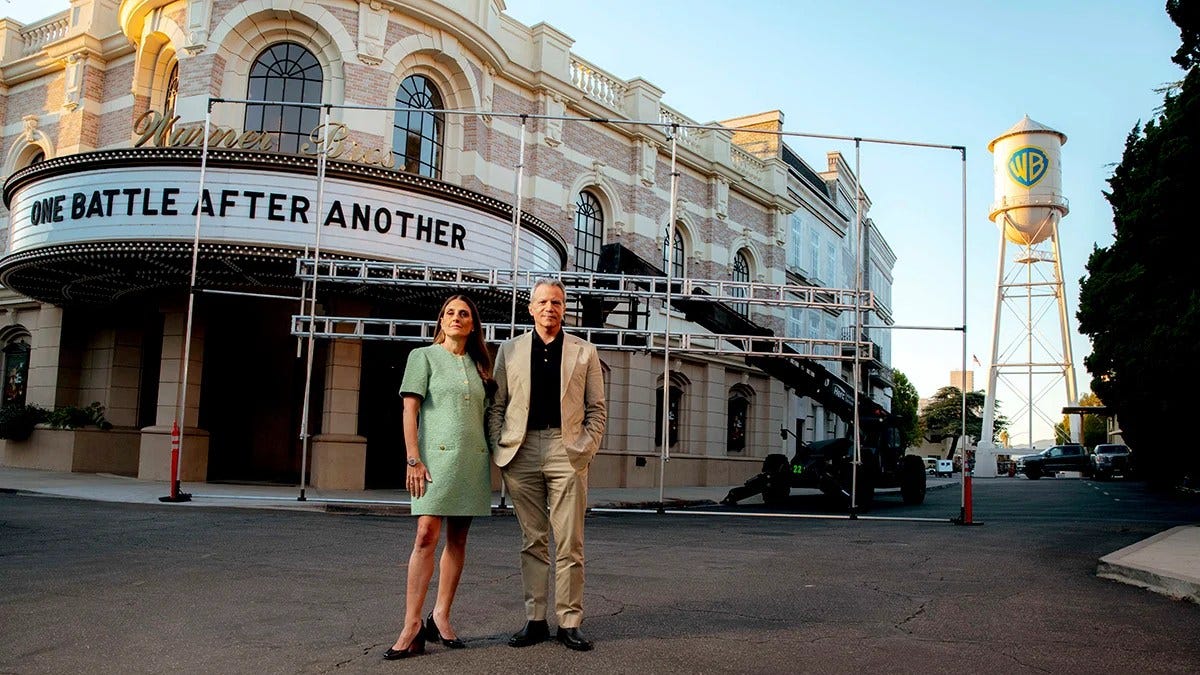
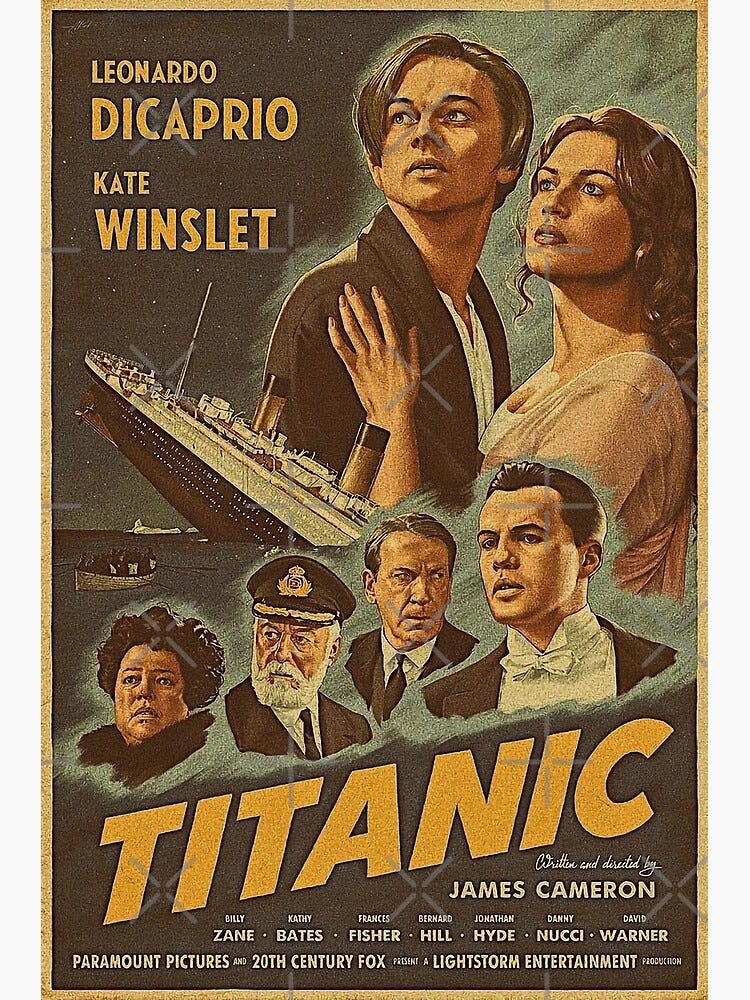
Did you want more Frankenstein and Jay Kelly? Or more One Battle After Another and Sinners? No disrespect to Frankenstein and Jay Kelly, they’re fine, I guess, but come on.
First, to those blind optimists who argued for the Netflix option. You must recognize Netflix is gonna Netflix. No matter what promises you believe Ted Sarandos was going to keep, Netflix is not going to adapt to Warner Bros, it goes in the other direction. The only net-positive outcome for movies is that Netflix adapts to be more like WB, which is insane; or that Netflix entirely leaves WB alone, which is unrealistic. Netflix is a system that works beautifully, and they will adapt what they ingest toward it. There was no best-case-scenario for movies with the Netflix option. The optimism surrounded more jobs kept for Los Angeles people, and the hope was that Netflix would change WB as little as possible. Netflix was not even the idealist option, it was delusional. It was the option for someone who refuses to recognize what the actual world in front of them is, I speculate most likely because they’re incentivized to by a salary in Los Angeles they wish to maintain.
If your priority is making and watching movies… Oracle / Skydance / Paramount is the way. [Yeah, it should be written like that. It’s not “Paramount” buying Warner. It’s a tech company and scion buying two studios and merging them.]
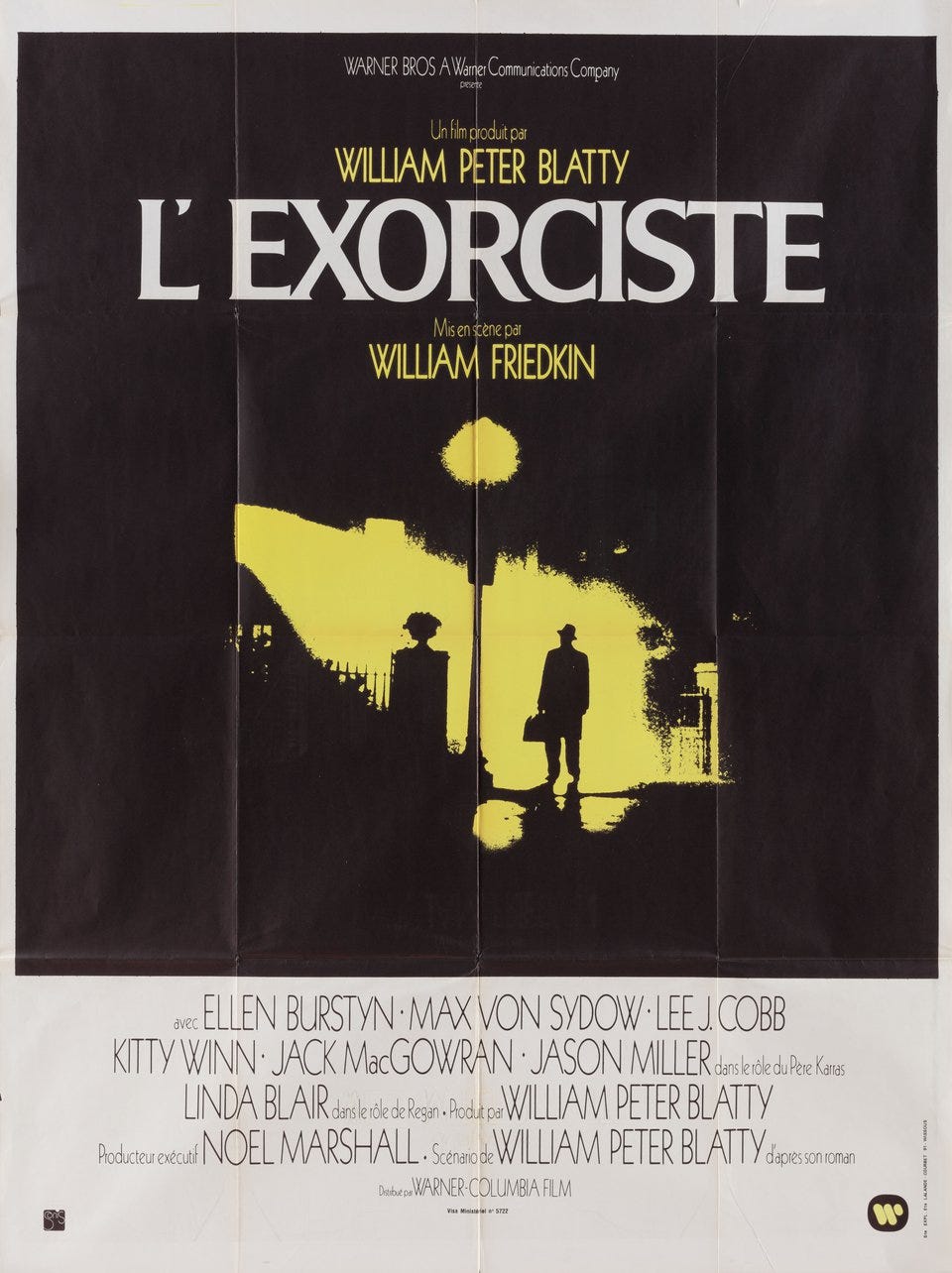
When Netflix gives filmmakers carte blanche, we get at-best minor works from auteurs and a few screenings at the Paris and Egyptian. Remember the Edward Berger movie this year starring two A-list actors? The company feels they win with that strategy, and they actually do, so while they may have strayed a little bit from it, they would never make One Battle After Another nor Sinners, and we’d never get to see them on IMAX and 70mm Vista Vision special projections for months and months. Remember how fun those days were at AMC and Regal-and Vista in LA-going to those showings and talking to cinephiles after? We’d get a modicum of 45 day windowed releases to satisfy the PR, but at least one of those would probably star Mark Wahlberg or something, and there would be a not-so-slow creep toward enNetflixIfication of Warner Bros creative. On the TV side, Netflix wins by stretching TikTok meme coded nonsense into longer stretches and amplifying people’s FOMO dopamine triggers. No Netflix show (other than those they acquire from UK) justifies 8 hour run time, while HBO shows generate more cultural zeitgeist knowing how to utilize the narrative components of a full season arc.
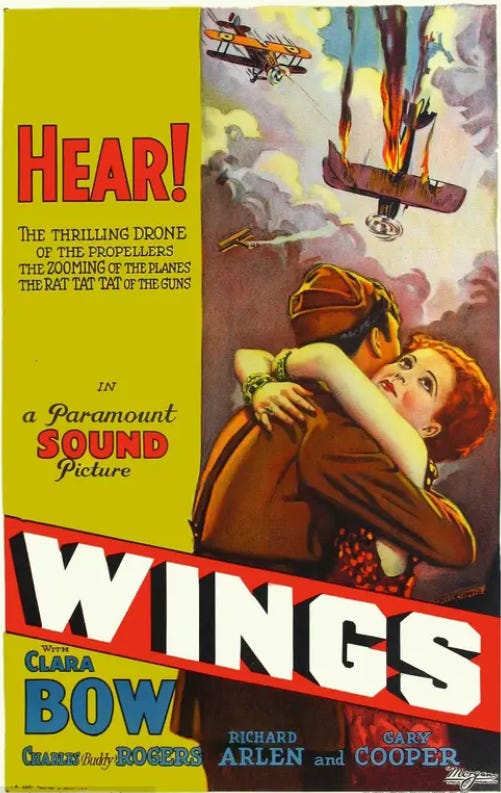
Paramount only wins by producing OBAA and Sinners every year, and putting em in the most and biggest theaters for the longest time possible. Same on TV side. Prestige delivers zeitgeist, not TikTok. They literally own TikTok now, they don’t need to turn WB+Par into it.
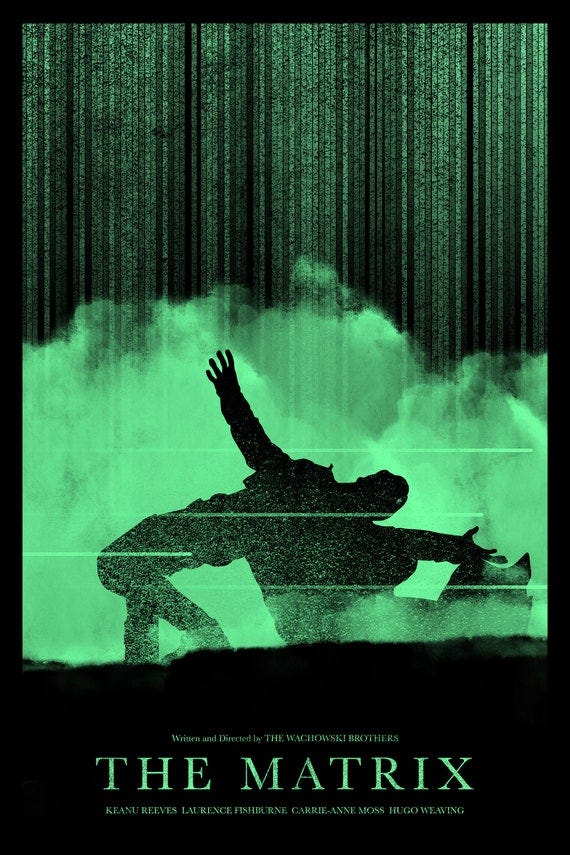
PARAMOUNT + WARNER WAS THE ONLY COMPETITIVE PATH + NET POSITIVE FOR THE CINEMATIC ECOSYSTEM IN GENERAL, even in the hypothetical scenario where they didn’t have debt.
We’ve looked at this backwards I think. In a few ways.
Compare to Sony and MGM. [Disney buying Fox is not a worthwhile comparison, because that was a functional studio ingesting a no-longer functioning studio, and tech + streaming platform was not relevant at the time]
Sony stayed independent by remaining a producer + seller, not streamer.
MGM got gobbled up by Amazon and mined for IP, now exists as a technicality only.
Which example resembles Warner better?
Warner, under Netflix, would be MGM.
Paramount was a largely irrelevant studio coming into all of this, its output was marginal. The Tom Cruise stuff and some other random IP and mid-budget singles and doubles at-best. Paramount was going away.
Warner comes in now as the ascendent brand and team. Mike DeLuca and Pam Abdy should run film at both companies. At Netflix, they’d likely get a window of time to work for Bela Bajaria before being booted when a miss presents her with the opportunity.
I know, the optimal result, hypothetically, was for Warner and Paramount to remain independent organizations competing with one another and more. But each opted to overexpose themselves building streamers, and compete not only as producers but digital distributors, which was a failed strategy that only Sony had the discipline to avoid. Warner and Paramount had to do something. Warner as a film unit was viable, but as an overall massive corporation was not. Paramount was not viable in any way.
Let’s turn back the clock too, say Warner and Paramount both took the Sony path and remained studio producers who sell to Netflix. That ecosystem sucks. You have a bunch of producers competing to get very few distribution output deals. Sony relies on that Netflix deal to exist, it’s billions of dollars over a near-decade. Netflix wouldn’t give that to all three.

So, beyond their theatrical businesses, where hypothetically would Paramount and WB get the existentially needed billions of dollars in a streaming output deal?
Not from Disney+ or Comcast / NBCU.
Amazon bought MGM already and mined it for IP.
Apple isn’t interested in this scale, they did a similar but much smaller deal with A24 and didn’t even re-up that, and now that deal went to WB / HBO.
The best result is a combined streamer and producer that actually competes with scale. Warner + Paramount is actually a serious vertically integrated participant in the ecosystem.
Netflix. Amazon. Apple. Disney. WarnAmount. And Universal/Peacock.
That’s pretty good. And again, in my previous piece, I went into all the options one notch down—there’s a lot! But these are the five (kinda six) vertically integrated ones who produce and distribute their own movies at scale, in movie theaters, and with a major streamer of their own.
MORE BACKGROUND OF WHY WE’RE HERE.
Again to backtrack and give a little more text to the history of how we got here. Because of the choice to become a streamer, which failed, remaining independent was no longer an option for both Paramount and Warner Bros. Sony gets to because they never overexposed themselves, never went into debt. Remember when all these streamers bought up tons of ‘content’ in order to attempt to scale, offered free or low-priced subscriptions to boost sign-ups? That all cost billions of dollars. They bet it would come back with a sustainable competitive streaming service that acquired hundreds of millions of subscribers. It did not for WB nor Paramount.
That only proved worthwhile for Netflix and arguably Disney+.
Amazon and Apple lost money they could afford to lose.
Peacock / NBCU remain the outlier because they have Comcast overlords still footing the bill, while it’s an arguably bad idea, but massive months like this with Olympics + Super Bowl + NBA on NBC make it seem like this is still worth finding out if it could work…I guess?
Paramount and Warner both gambled and lost, they would only continue to bleed money in their existing structure, but combining provides an opportunity to compete at scale, and potentially actually make the money back. It’s now an epic amount of debt to make back, but there’s a lot of quality and value to work with, backed by the second richest guy on earth.
WHAT IT ALL MEANS NOW.
Netflix buying WB was a declaration of defeat. Societally. Not just for movies.
Oracle / Skydance buying Paramount and Warner is a serious position for potential success.
The Netflix option meant accepting defeat, cutting losses, adopting enshitification at scale, but keeping the most jobs possible.
Oracle / Skydance + Paramount + Warner can work. This may deliver us the most fruitful period of movies…EVER. Listen to Tom Rothman talk about it on Matt Belloni’s pod. Never before have we had trillion dollar companies investing in movies as a loss-leader. Never before have we had the ability to instantly produce and pipe movies to audiences like this. Never before have we had worldwide reach like this. Not to mention how awesome IMAX and 4DX are. Movies are still the highest form of expression human beings have ever had. The time of the seventh art maintains. This is an investment in that time. An acknowledgement that we are still in that time. It is exciting. It is inspiring. It is energizing.
This is a victory for ideas. A boost to quality. An investment in thinking.
A rally cry for...